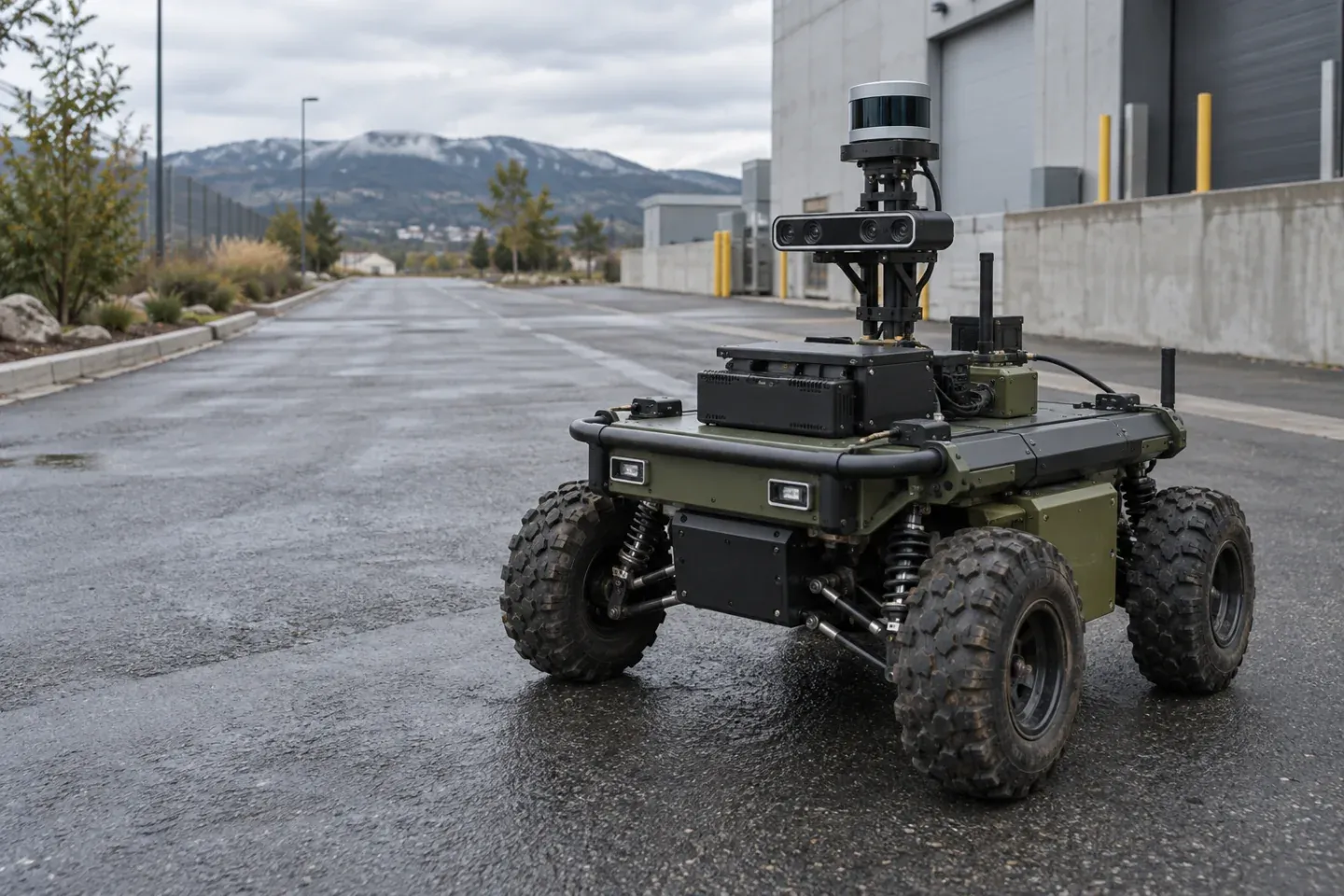
Robotics & autonomous systems recruiting starts with the work.
When software meets sensors, motion, and the conditions where a robot must work, the hiring brief needs more than a title. Work directly with Cheri Kruger to define ownership, interfaces, and the next outcome for your team.
A robotics recruiter needs to understand the machine, the software, and the work the next person will own. Use these prompts to define the search around your product and team.
Define what the first autonomy hire owns.
Start with the system outcome, then choose the role. A first hire may focus on autonomy software, perception, controls, or a defined part of several areas. Make the first responsibility clear even when the person will work across disciplines.
Describe what already works on hardware, what remains at prototype or simulation stage, and who can review the new hire's technical decisions.
Experience to discuss
A system or software component the candidate owned, how it was tested, and what changed after it reached its users or operating environment.
A useful briefing question
What should this person get working first, and what support will they have?
Name the boundary the next hire will own.
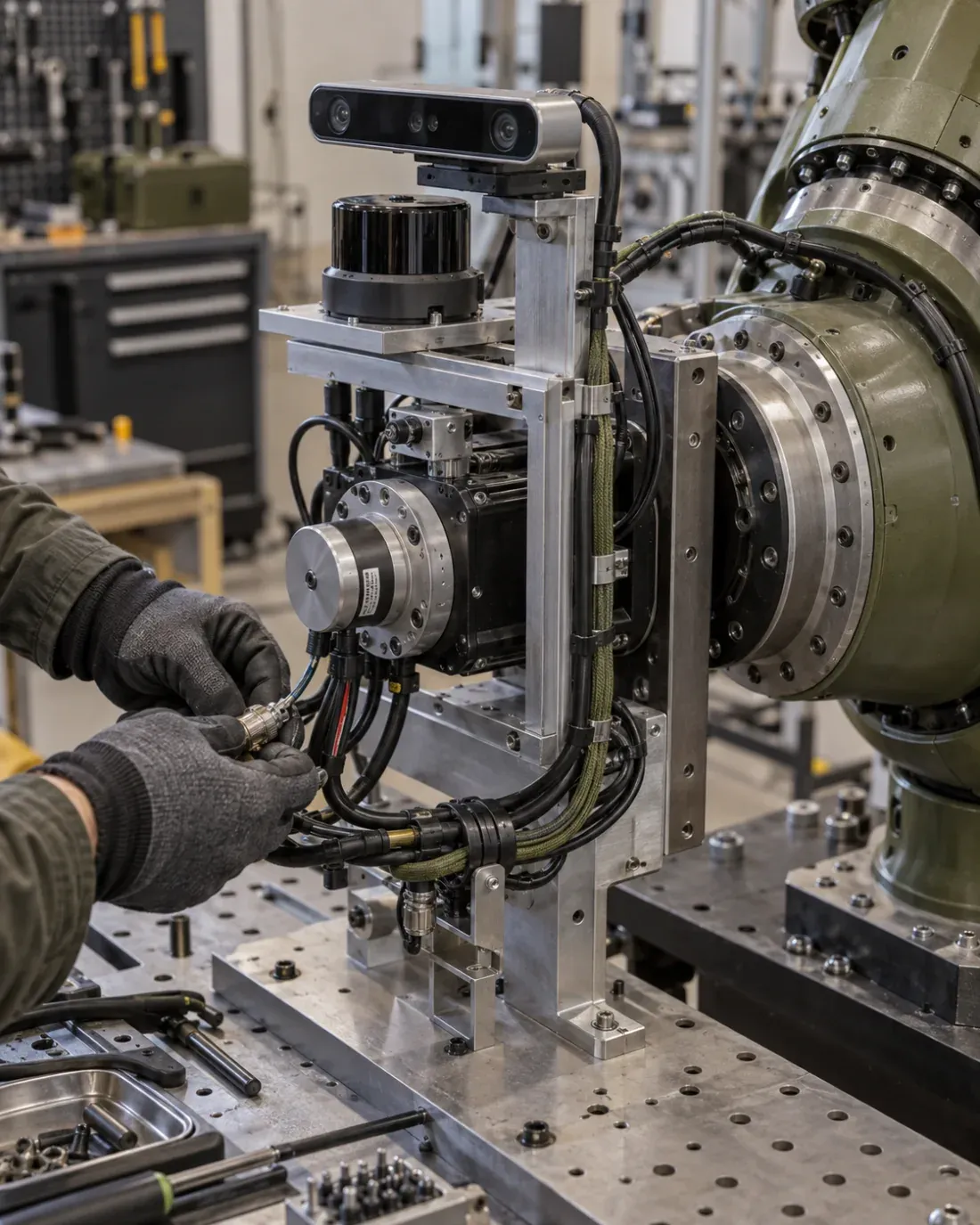
Robotics products connect software to sensors, compute, firmware, controls, and physical components. Identify the boundary that needs an owner and the other engineers this person must work with.
Separate platform work from the robot's behavior. Note which interfaces are stable, where integration breaks down, and whether the role includes lab or field work.
Experience to discuss
Bringing up hardware, debugging across software and hardware, and tracing a fault through a system boundary.
A useful interview question
Tell me about a failure that crossed a hardware and software interface. How did you isolate it?
Give testing and release decisions a clear owner.
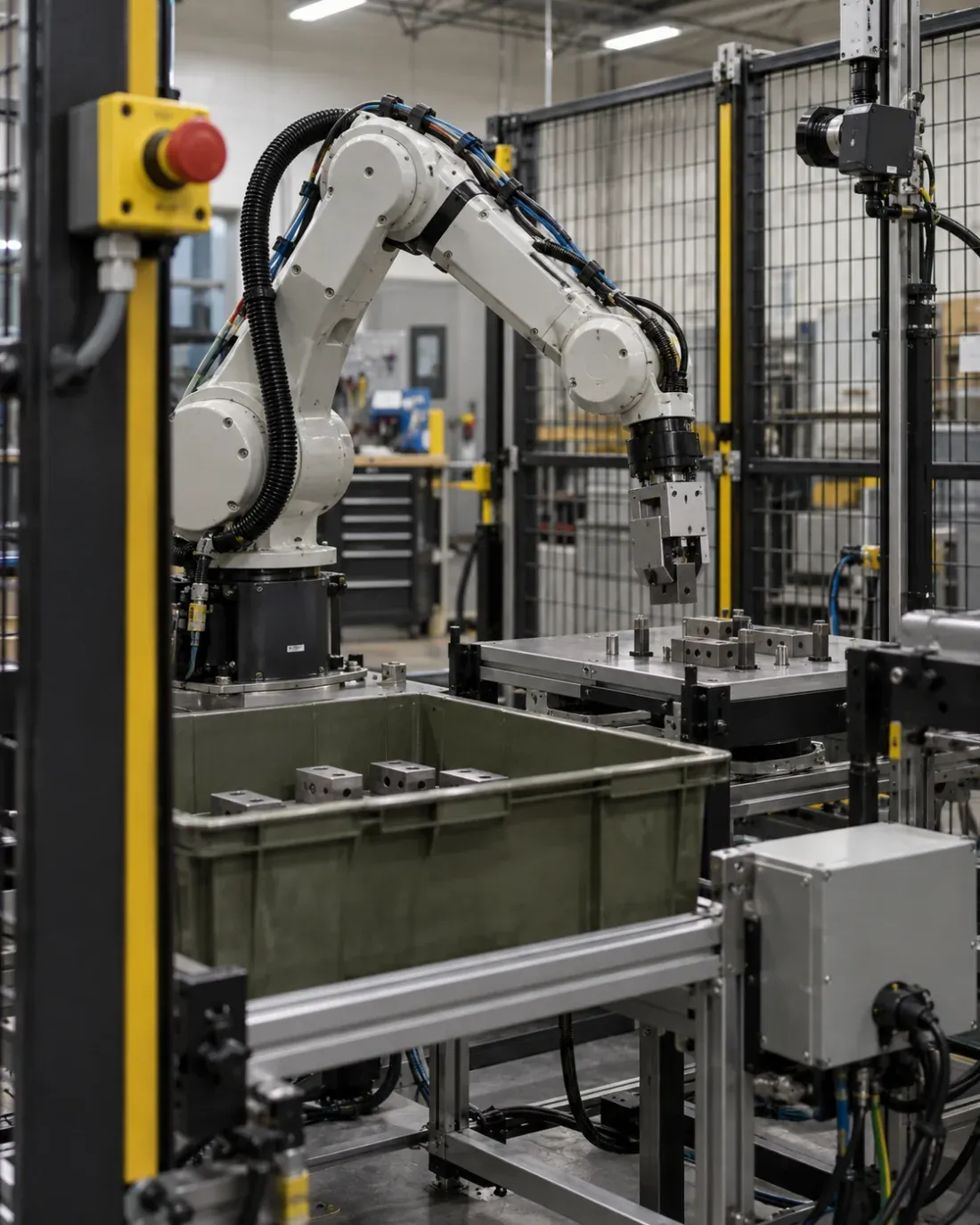
As a robot moves from a lab prototype toward field use, teams need to define who plans tests, investigates failures, and decides whether the system is ready for the next release or trial.
Describe the test environments, the behavior the team needs to verify, and the evidence that informs a release decision. If leadership is part of the role, state whether the person also owns architecture or team growth.
Experience to discuss
Building test coverage for a physical system, investigating field failures, or setting engineering criteria for a release.
A useful briefing question
Who decides that the system is ready for a field trial, and what evidence do they need?
Who does your team
need next?
Choose the hiring situation that sounds familiar. Each one changes what the next role needs to own.
Choose the first hire around the system.
A first autonomy hire may own software, perception, or integration across an early product. Define what already works on hardware and the first system outcome this person will deliver.
Set the first software or autonomy responsibility
Describe what exists in hardware, code, and testing
Name the technical support available to the hire
Find the unowned boundary.
When sensing, compute, firmware, and controls meet, identify the interfaces that lack an owner. Describe how the team brings components together and finds faults in the integrated system.
Name the interfaces the hire will own
Set expectations for lab bring-up and debugging
Clarify how integration work is reviewed and tested
Hire for the move into field testing.
Name the validation work that lacks an owner before the system leaves the lab. That may include calibration, test cases, failure investigation, or the engineering decision to proceed with a trial.
Define the behavior and conditions the team will test
Assign calibration and failure-investigation work
Set clear ownership for release and trial decisions
Work directly with Cheri.
Cheri Kruger works directly with hiring teams to understand the product, the engineering work, and the requirements that shape a robotics search.
Describe the system, its current stage, and the next outcome the hire will own. Then set out the software or hardware interfaces, test environment, team support, location, and any must-have experience.