A useful search brief names the system, the engineering responsibility, and the evidence that will show the work is done well. Use these topics to set the scope before you choose a title.
Define the mission software this person will own
Mission software can include operator tools, telemetry services, planning systems, or data products. Start with the user and the first capability the engineer will deliver.
Describe the current software, its interfaces, and how the team releases and monitors changes. Separate application work from platform reliability or data engineering when those are different responsibilities.
Clarify
The users, first deliverable, existing systems, and technical decisions the hire can own.
Ask
Which software capability will you own first, and how will the team evaluate it in use?
Make embedded and systems integration work explicit
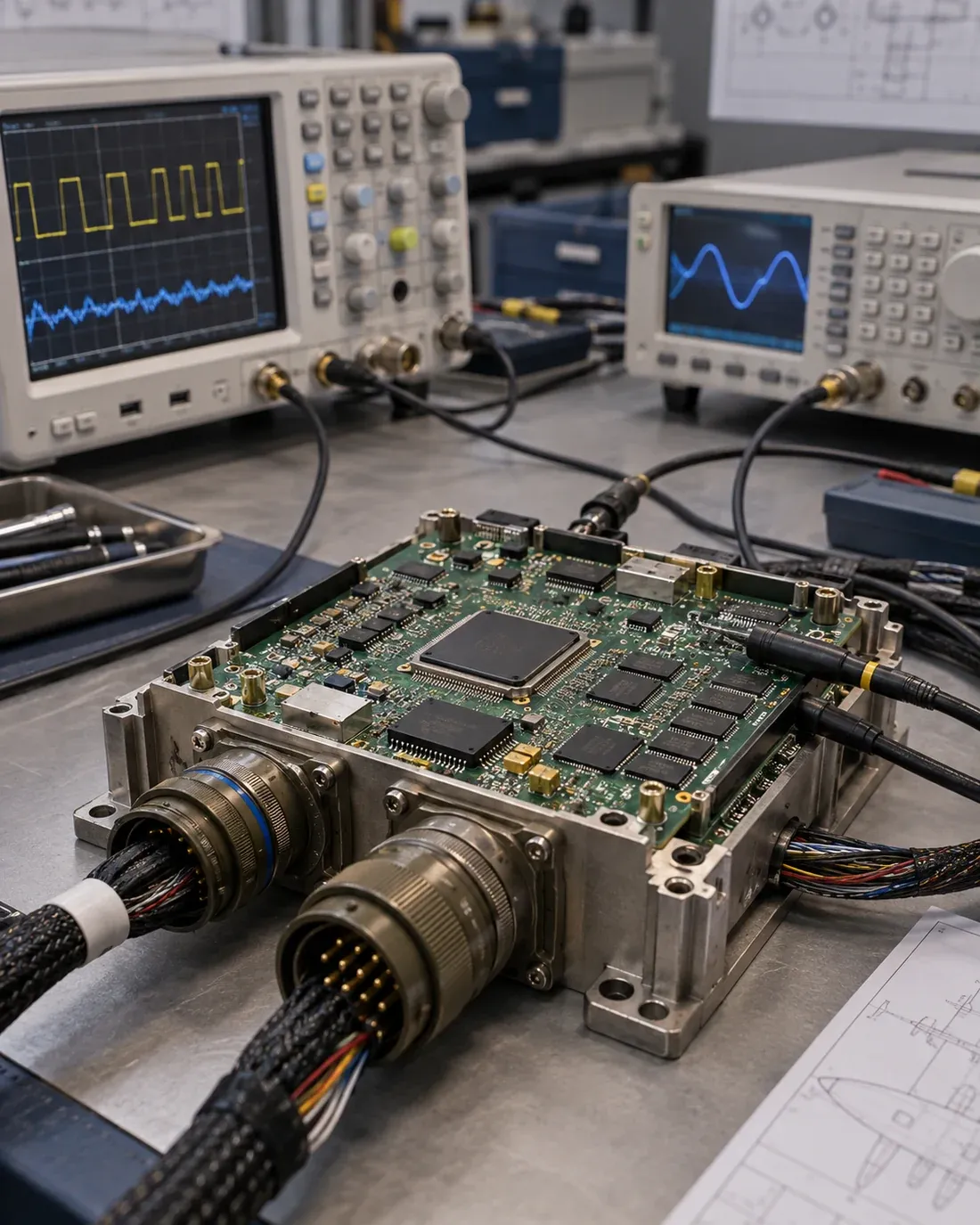
An embedded search needs a clear picture of the hardware, software boundaries, and test setup. Candidates should be able to explain how they diagnosed problems across those boundaries.
Name the interfaces, development environment, and expected lab or field work. Ask for a specific integration example and what the candidate changed after a test exposed a problem.
Clarify
The target hardware, software interfaces, test equipment, and ownership across teams.
Ask
Tell me about an integration issue you traced across hardware and software. What evidence led you to the cause?
Scope the ground system around its users and data flow
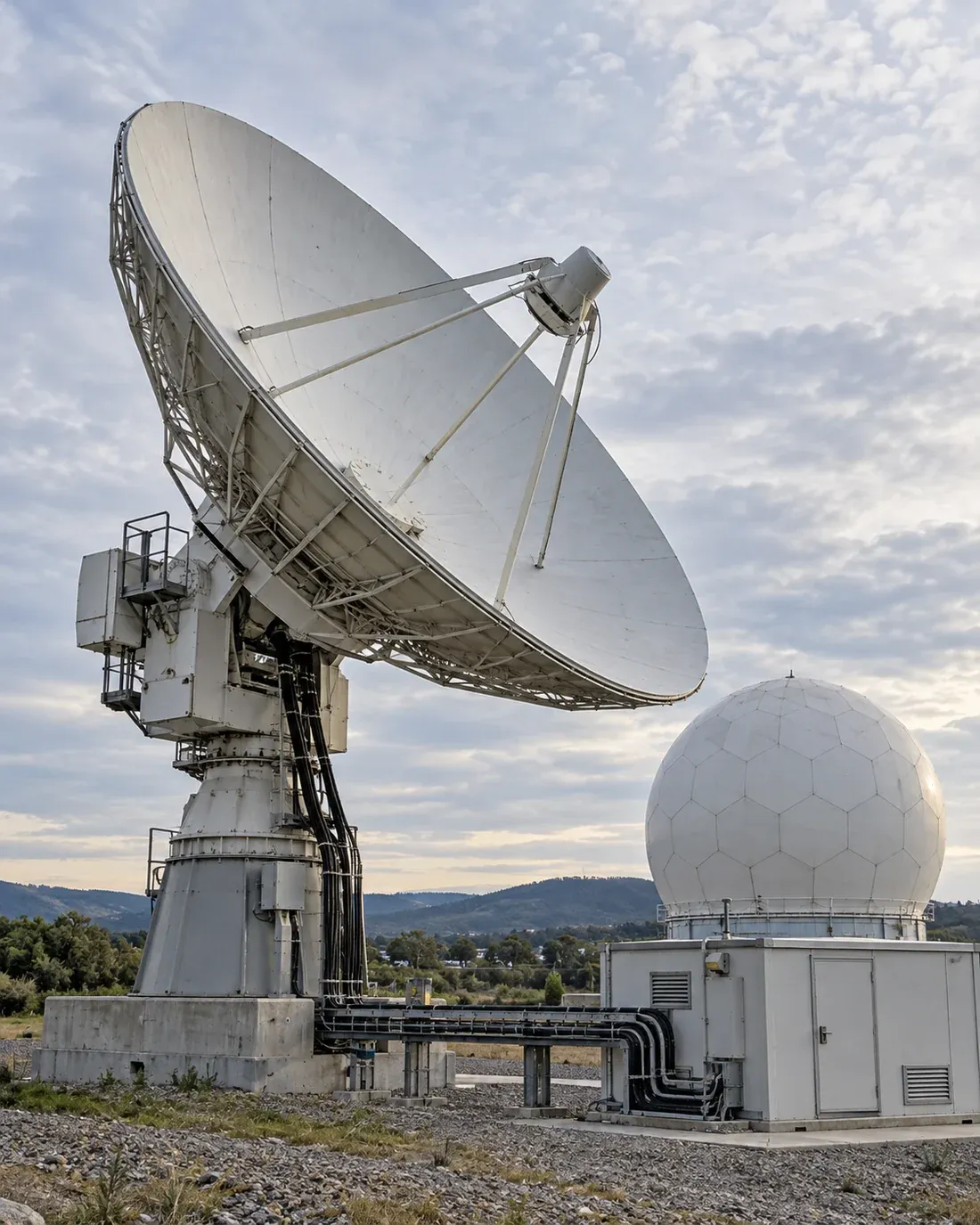
Ground systems may connect mission operations, communications equipment, and software that processes or presents data. Define which part needs an owner and what must connect to the rest of the system.
Describe the operational workflow, the data sources, and the services or tools already in place. Clarify reliability, access, and support expectations that belong to this role.
Clarify
The operators, data flow, system interfaces, and the role's responsibility during operations.
Ask
Which part of the ground system would you improve first, and how would you check that the change helped operators?
Set expectations for verification and technical leadership
Testing belongs in the role brief when an engineer must define test coverage, connect requirements to results, or help a team investigate failures. Engineering leaders also need clear ownership of architecture, review, and team decisions.
Separate hands-on test development from program-level coordination. For a leadership hire, describe the team, decision rights, and the engineering practices the person can change.
Clarify
Test environments, acceptance evidence, team responsibilities, and leadership scope.
Ask
How have you turned a requirement into a test, reviewed the result, and handled a failure?
What does your team need next?
Choose the work in front of your team to focus the search on the right responsibilities and technical experience.
Give the software search a clear first outcome.
A mission software hire needs a defined user, system boundary, and first capability to own. Decide whether the gap sits in application software, platform reliability, or data engineering.
Own a defined software capability or service
Work with the people who use or operate the system
Explain how the team tests and monitors changes
Connect embedded software to the hardware it controls.
When the work crosses hardware and software, describe the interfaces and test setup before sourcing. Look for candidates who can trace a fault and explain how they verified the fix.
Develop or integrate software for a defined hardware system
Debug interfaces with evidence from tests and instruments
Coordinate technical ownership across disciplines
Hire for the test work that closes the engineering loop.
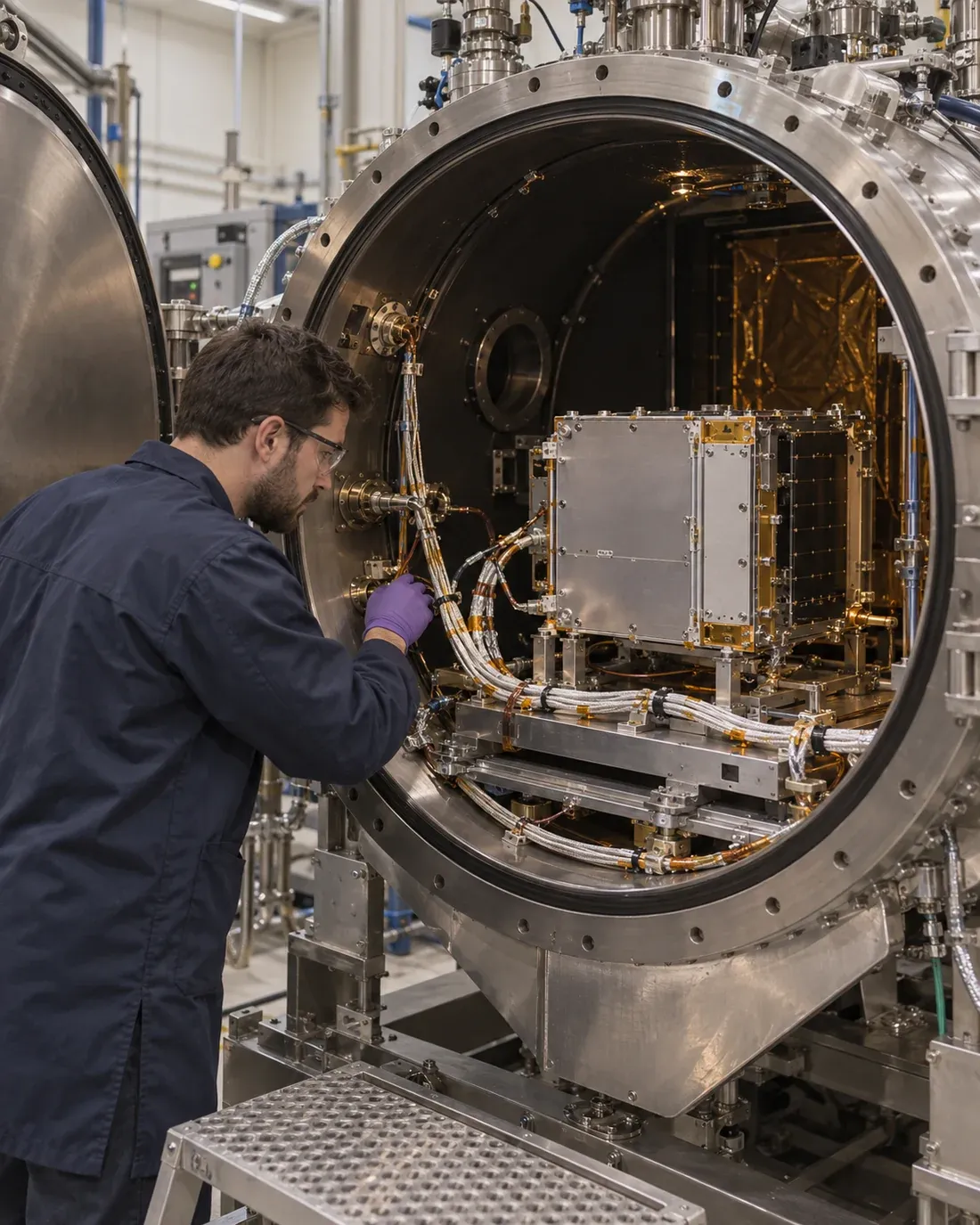
A test hire may build automated checks, run subsystem tests, or help teams interpret failures. State the test environment and the evidence the engineer must produce.
Plan or run tests against defined system requirements
Investigate unexpected results and document the evidence
Work with software, hardware, and systems owners
Work directly with Cheri.
Cheri Kruger is the founder of Kruger Recruiting. Share the technical work, the team, and the requirements that shape your aerospace or space technology search.
Start with the system, its users, and the first capability the engineer will own. Describe the interfaces, release or test environment, and technical support available. Then decide whether the search calls for application, embedded, platform, or data experience.